The Enduring Charm of Botanical Vintage Decorative Element. Vi
In the fast-paced world of digital design, where clean sans serifs and minimalist layouts often dominate, there's a powerful counter-trend drawing us back to a time of intricate beauty and handcrafted detail. This pull toward the past isn't about nostalgia alone; it's about injecting warmth, character, and a story into modern projects. The Botanical Vintage Decorative Element. Vi is a perfect embodiment of this movement. It’s more than just a typeface; it's a carefully curated collection of Victorian-era floral ornaments and illustrations, designed to be a versatile and impactful addition to any designer's toolkit. Imagine the delicate engravings you'd find on an old botanical print or the ornate flourishes on a vintage greeting card—this element captures that essence, offering it in a clean, isolated format ready for contemporary use.
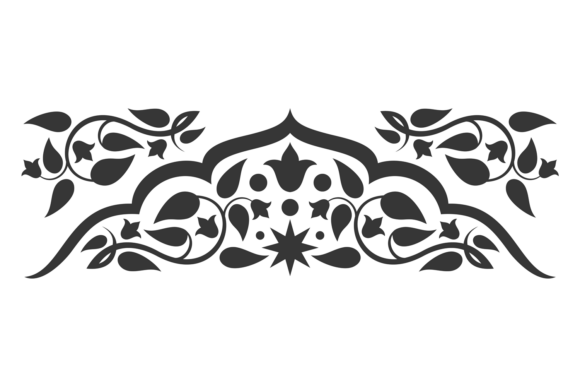
Visually, the personality of this decorative set is one of elegant complexity. Each piece is rendered with fine, intricate linework that suggests careful craftsmanship. The style is unmistakably Victorian, featuring motifs like unfurling fern fronds, detailed rose blossoms, acanthus leaves, and symmetrical scrollwork. Despite this complexity, the elements are designed to be usable. They are provided as isolated vector graphics, meaning they can be scaled to any size without losing clarity, from a tiny icon on a website to a large-format print. The availability in formats like EPS, SVG, transparent PNG, and JPG gives creators immediate flexibility. This isn't a chaotic jumble of vintage graphics; it's a structured set of design assets that can bring a sense of history and sophistication to a project.
Where Vintage Flair Meets Modern Application
The true strength of the Botanical Vintage Decorative Element. Vi lies in its broad range of applications. It’s a creative font for visual storytelling, ideal for projects where atmosphere and brand perception are paramount. Think of the premium coffee brand wanting to convey artisanal quality, the boutique hotel creating a classic and welcoming identity, or the wedding stationery designer crafting an unforgettable suite. In these cases, a single botanical flourish can become a central part of the brand identity, used consistently across logos, packaging, and social media.
For editorial design, these elements are invaluable. They can serve as elegant drop caps, decorative borders for magazine pages, or subtle section dividers in a book layout. In web design, a well-placed SVG ornament can break up text-heavy pages, add visual interest to a footer, or act as a unique loading icon. For packaging design, it can transform a simple label into a perceived premium product, suggesting tradition and quality. Even in social media graphics, a small botanical detail can elevate a quote graphic or an announcement, making it more memorable and shareable. The key is to use it intentionally—a single, well-chosen element often has more impact than a cluttered arrangement.
Practical Guidance for Integrating Ornamental Assets
Choosing and implementing any premium font or graphic element requires a thoughtful approach. Before incorporating the Botanical Vintage Decorative Element. Vi into a project, consider its fundamental compatibility. Does your project's core message align with qualities like tradition, elegance, nature, or craftsmanship? If you're working on a cutting-edge tech startup's logo, this style might clash. But for a natural skincare line, a law firm, or a historical publication, it could be a perfect fit.
When it comes to font pairing, balance is everything. The intricate, detailed nature of Victorian ornaments pairs best with cleaner, simpler typefaces. A strong sans serif font for body text can provide a beautiful contrast, allowing the vintage elements to stand out without overwhelming the viewer. Alternatively, pairing it with a classic, readable serif font can create a cohesive, traditional feel. Avoid pairing it with other highly decorative script fonts or handwritten fonts, as this can quickly lead to visual clutter and reduce readability.
Always test the elements in context. Place a botanical ornament next to your chosen typeface and color palette. Check its visual hierarchy—does it support the main message or compete with it? Examine the provided files; using the vector formats (EPS or SVG) ensures your design remains sharp across all mediums, a crucial step for maintaining professionalism. Finally, review the licensing. For any commercial use—from a client's logo design to products for sale—ensuring you have the correct commercial license is non-negotiable. This protects you and respects the creator's work, allowing you to build a consistent and legally sound brand identity.
In the end, incorporating a resource like the Botanical Vintage Decorative Element. Vi is about adding a layer of depth and narrative to your work. It's a strategic choice that can significantly influence how an audience perceives a brand, transforming a simple design into something that feels authentic, established, and thoughtfully crafted. Used with care, these vintage details don't just decorate; they communicate.