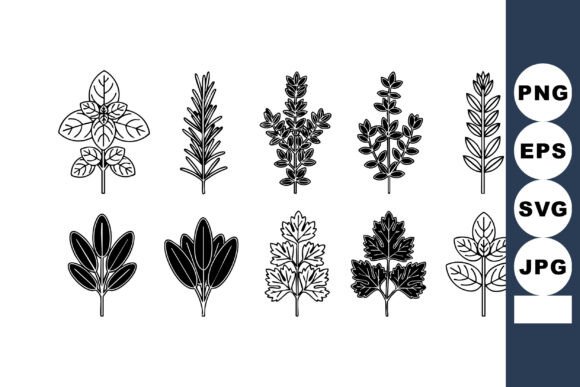
Decorative Black and White Nature: 10 Botanical Leaf Icons
Why Monochromatic Nature Graphics Still Win in Design
There’s something timeless about black and white botanical artwork. It strips away the distraction of color and lets form speak for itself. That’s exactly what makes this Set of Decorative Black and White Nature so useful. You get ten stylized leaf icons, each with its own botanical personality, ready to drop into projects that need an elegant, minimalistic touch without feeling sterile or cold.
These aren’t photorealistic leaves. They’re stylized, interpreted, and designed with intention. Some lean toward organic curves, others have sharper, more geometric edges. Together they create a cohesive family of shapes that feel both natural and refined. The variety matters—you’re not locked into one leaf silhouette repeating across your entire layout. You have options that work in different contexts while maintaining visual harmony.
The black and white palette is a deliberate choice, not a limitation. When you remove color, you amplify contrast, shape, and composition. These icons become versatile building blocks. They work on light backgrounds, dark backgrounds, over photographs, and within complex layouts. That flexibility is what separates useful design assets from decorative clutter.
Where These Leaf Icons Actually Work Well
Let’s talk practical applications, because that’s what matters when you’re deciding whether to download a set of design assets. These botanical icons fit naturally into several categories of work, and understanding where they shine helps you get real value from the files.
Branding and Logo Design
If you’re building a brand identity for something in the wellness, organic, sustainable, or botanical space, these leaf shapes become powerful visual shorthand. A single stylized leaf can anchor a logo mark without relying on cliché stock imagery. The minimalistic mood reads as sophisticated rather than generic. Think about a small skincare brand, an independent nursery, or a yoga studio looking for something understated. These icons deliver that aesthetic cleanly.
Pairing them with a sans serif font for body text and a serif font or script font for headings creates a balanced typographic hierarchy. The icons complement modern typography without competing for attention. That balance is critical in logo design and broader brand identity work—you want supporting graphics that enhance the typeface, not overshadow it.
Editorial and Publishing Design
Magazines, books, and digital publications frequently need decorative elements that break up text-heavy layouts. Drop caps, section dividers, pull quote embellishments, chapter openers—these are all places where botanical icons earn their keep. The Set of Decorative Black and White Nature works particularly well here because the monochromatic style integrates with any color scheme your publication uses. Whether your editorial design leans warm and earthy or cool and contemporary, black and white leaves adapt.
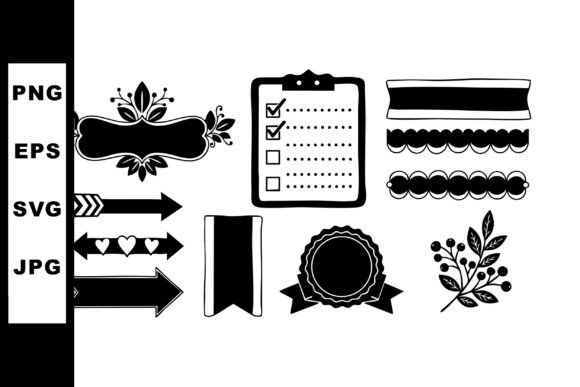
I’ve seen these kinds of assets used beautifully in cookbook layouts, poetry collections, travel journals, and self-help book interiors. They add visual breathing room without the heaviness of full-color illustrations. For publishers working across both print and digital formats, having SVG, EPS, JPG, and PNG files means you’re covered regardless of your production workflow.
Packaging Design
Product packaging for artisan goods, cosmetics, tea brands, candle makers, and similar categories often benefits from botanical motifs. The challenge is avoiding the overused, clip-art aesthetic that plagues this space. These stylized icons sidestep that problem through their intentional simplicity. They suggest nature rather than depicting it literally. That distinction matters in packaging design where shelf presence and perceived quality go hand in hand.
Use them as corner decorations, background patterns, or accent marks alongside your product name and copy. The vector formats scale cleanly from small labels to large box panels without quality loss, which is a practical advantage over raster-only graphics.
Digital and Social Media
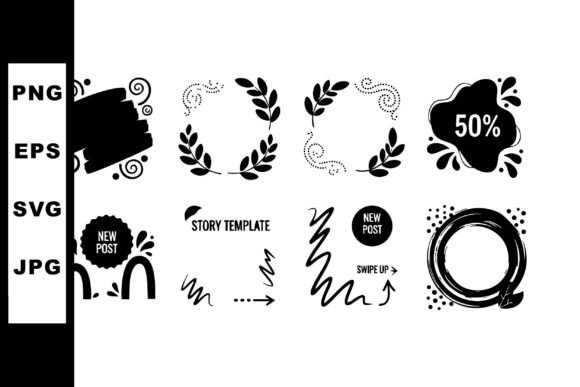
Content creators and social media managers need fresh visual elements constantly. Instagram story backgrounds, Pinterest pin designs, website headers, email newsletter accents—there’s always demand for graphics that look polished without requiring custom illustration for every post. These leaf icons fill that gap effectively. The PNG files with transparent backgrounds are especially useful for layering over photographs or colored blocks in web design and social media graphics.
Small business owners managing their own marketing materials will appreciate having these on hand. Instead of searching for stock images every time you create a post, you can build a consistent visual system using these icons. Consistency builds recognition, and recognition builds trust with your audience.
Craft and Personal Projects
Crafters and hobbyists shouldn’t overlook this set either. SVG files work with cutting machines like Cricut and Silhouette, making these icons usable for vinyl decals, stencils, iron-on transfers, and paper crafting. Wedding invitations, greeting cards, home décor projects, custom stationery—these are all realistic applications. The elegant, minimalistic mood translates well across handmade and DIY contexts where botanical themes remain popular.
Choosing the Right Botanical Assets for Your Project
Before downloading any set of design assets, run through a quick evaluation process. First, look at the visual style honestly. Does it match your project’s personality? These particular icons lean elegant and refined rather than whimsical or rustic. If your brand or project has a playful, hand-drawn energy, you might need something with more texture and imperfection. But if sophistication and clarity are your goals, this set aligns well.
Second, check the file formats included. This set provides SVG, EPS, JPG, and PNG, which covers most professional and personal use cases. Vector formats (SVG and EPS) give you infinite scalability and editing flexibility. Raster formats (JPG and PNG) work for quick digital use. Having both options means you won’t hit a wall mid-project.
Third, think about font pairings and overall composition. If these icons will appear alongside text, consider how they interact with your chosen typeface. A premium font with clean geometry pairs naturally with these leaves. Avoid pairing them with overly decorative handwritten fonts unless you’re intentionally creating contrast for a specific effect. Test combinations before committing. Place an icon next to your heading text, your body copy, and your call to action. Does the visual weight feel balanced? Does the icon distract or support?
Fourth, consider commercial licensing if you’re using these for client work or product sales. Always verify the license terms before incorporating any commercial font or graphic into paid projects. Responsible designers and business owners treat licensing as a non-negotiable step, not an afterthought.
Finally, don’t overuse them. Ten icons give you variety, but restraint matters more than quantity. Pick two or three that resonate with your specific project and use them consistently. That approach strengthens your visual identity rather than diluting it. The goal is cohesive, professional design—not a showcase of every available asset.
These black and white botanical icons are the kind of design asset that quietly earns its place in your toolkit. They won’t solve every visual challenge, but for projects that call for nature-inspired elegance with minimalistic restraint, they deliver exactly what you need.