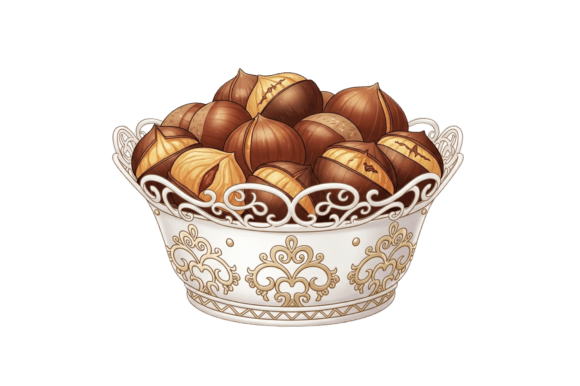
Chestnuts in Decorative Bowl: A Premium Font for Autumnal Branding
When you first see the Chestnuts in Decorative Bowl typeface, you immediately feel the warmth of a crisp autumn afternoon. It’s more than just a collection of letters; it’s a mood setter. This premium font captures a specific aesthetic that balances organic charm with polished sophistication. If you are working on a project that requires a touch of seasonal elegance—think high-end harvest festivals, rustic bakeries, or boutique homeware—this font is a powerful design asset. It bridges the gap between playful handwritten styles and structured serif fonts, offering a unique voice that stands out in a crowded market.
Visual Characteristics and Design Personality
The core of Chestnuts in Decorative Bowl lies in its dual nature. It functions primarily as a display font, meaning it is designed to be used in headlines, logos, and large titles rather than long blocks of body text. The visual style draws inspiration from modern typography trends that favor organic imperfections. You will notice subtle variations in stroke width and baseline alignment that mimic natural handwriting, yet the letterforms are clean enough to remain legible even at smaller sizes.
What makes this typeface particularly effective is its "personality." It feels welcoming, nostalgic, and grounded. Unlike a standard sans serif font that can feel cold or clinical, or a rigid serif font that feels overly formal, this design leans into warmth. It evokes the feeling of gathering around a table, making it an ideal choice for projects centered on gratitude, community, and celebration. The visual weight is substantial enough to anchor a design but airy enough to prevent visual clutter.
Strategic Applications: Where This Font Shines
As a designer or business owner, choosing the right typeface is about context. You wouldn't use a script font for a technical manual, and similarly, Chestnuts in Decorative Bowl has specific environments where it excels. Understanding these applications helps you maximize the return on your design assets.
Branding and Logo Design
For brands in the lifestyle, food, or artisan sectors, this font offers a distinct competitive edge. It works exceptionally well for logo design where the goal is to convey authenticity. A small business selling organic goods, homemade candles, or seasonal produce could use this typeface to build an immediate emotional connection with their audience. It suggests that the brand values quality and craftsmanship over mass production.
Editorial and Packaging Design
In editorial design, such as magazine headers or blog graphics, this font commands attention without shouting. It provides the perfect visual hierarchy for headlines that need to feel inviting. Similarly, in packaging design, it elevates the product. Imagine this typography on a label for a limited-edition autumn blend coffee or a gourmet jam. It transforms a simple container into a desirable object, influencing consumer perception and justifying a premium price point.
Digital Projects and Social Media
The digital landscape is noisy, and grabbing attention on platforms like Instagram or Pinterest is difficult. Chestnuts in Decorative Bowl helps cut through the noise. Its high-contrast and unique style make it perfect for social media graphics, particularly for posts related to holidays, sales events, or lifestyle tips. Because it has a strong personality, it ensures that your content is recognizable, aiding in brand consistency across digital channels.
Influence on Readability and Brand Perception
Typography is silent communication. The font you choose tells your audience how to feel about your message before they even read the words. Using a creative font like this influences brand perception by signaling that your brand is detail-oriented and emotionally intelligent. It adds a layer of professionalism that generic free fonts simply cannot provide.
However, readability must always be a priority. As a display font, Chestnuts in Decorative Bowl is not intended for body copy. If you use it for paragraphs, you risk eye fatigue for your readers. The true power of this typeface lies in its ability to create visual hierarchy. Use it for your H1 and H2 headers, and pair it with a clean, neutral sans serif font for the body text. This contrast creates a dynamic layout that guides the reader's eye naturally from the headline to the content.
Practical Guidance for Implementation
Integrating a new typeface into your workflow requires some technical consideration. Here is a practical checklist to ensure you get the most out of this design asset.
- Test Your Font Pairings: Before finalizing a design, test how Chestnuts in Decorative Bowl interacts with other typefaces. It generally pairs well with geometric sans serifs or clean slab serifs. The contrast between the decorative headers and the functional body text creates a cohesive yet interesting look.
- Evaluate the Glyph Set: High-quality premium fonts often come with alternate characters, ligatures, or stylistic sets. Explore the full character map. You might find swashes or ligatures that add flair to specific letters, allowing you to customize the look further for logos or monograms.
- Check Commercial Licensing: If you are a small business owner or agency, always verify the license. Most premium fonts offer different tiers for desktop, web, or app usage. Ensure your license covers commercial use if you are designing products for sale, such as T-shirts, mugs, or merchandise.
- Consider the Medium: While this font looks fantastic on screen, consider how it translates to print. If you are using it for sublimation or print-on-demand projects, print a test sheet. Ensure the weight of the font holds up on physical materials like textured paper or fabric.
Elevating Your Creative Projects
Ultimately, Chestnuts in Decorative Bowl