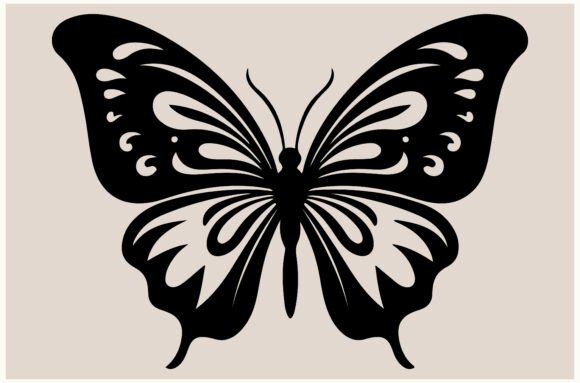
Butterfly, Decorative Insect Silhouette: A Designer's Go-To Asset
Finding that perfect graphic element—the one that elevates a design without overwhelming it—is a constant challenge. You need something versatile, professional, and unique. That's where the Butterfly, Decorative Insect Silhouette comes in. This isn't just another generic clipart file. It's a meticulously crafted vector asset designed for creatives who value precision and quality in their projects. The clean lines and elegant form make it a powerful tool for adding a touch of nature-inspired sophistication.
The Anatomy of a Superior Design Asset
What sets this particular butterfly silhouette apart? It's all in the details. The design captures the delicate veining of the wings and the graceful posture of the insect, transforming a simple silhouette into a piece of decorative art. The style is inherently versatile—it can feel modern and minimalist or classic and ornate, depending on the context you place it in. This adaptability is its greatest strength. You're not just getting a static image; you're getting a foundational element that can be scaled, recolored, and integrated into countless design languages.
When you download the ZIP folder, you receive two essential files: an EPS 10 file and a high-resolution JPG. The EPS file is the workhorse. It's a vector format, meaning you can open it in Adobe Illustrator, CorelDRAW, or other compatible software and resize it to the side of a billboard or the back of a business card without any loss of quality. The JPG provides a quick-use, high-quality raster version for immediate use in presentations, documents, or social media posts where vector editing isn't necessary. This combination ensures you're prepared for any project workflow.
Where This Silhouette Truly Shines
The applications for a high-quality decorative insect silhouette are broader than you might initially think. Let's move beyond the obvious and consider where this asset delivers real-world value.
In brand identity and logo design, the butterfly can symbolize transformation, elegance, creativity, or freedom. It works beautifully for businesses in wellness, beauty, artisan crafts, education, or eco-friendly spaces. Imagine it as the centerpiece of a logo for a boutique or as a subtle watermark on stationery. Its clean vector lines ensure it reproduces perfectly across all mediums, from embroidered uniforms to metallic foil stamps.
For editorial design and packaging design, the silhouette acts as a sophisticated decorative motif. Use it to create elegant chapter headings in a book, as a recurring pattern in magazine layouts, or as a standout graphic on product packaging for cosmetics, teas, or gourmet foods. Its decorative nature adds perceived value and a handcrafted feel that resonates with consumers.
Digital creators will find it invaluable for web design and social media graphics. It can be used as a favicon, an icon in an infographic, or a decorative element in a hero image. In social media, a well-placed butterfly can break up text-heavy posts, add visual interest to quotes, or create a cohesive aesthetic across a series of Instagram stories. The vector file allows you to easily change its color to match your brand's palette for each specific campaign.
Making It Work: Practical Implementation Tips
Integrating any new design asset effectively requires a thoughtful approach. Here’s how to get the most out of the Butterfly, Decorative Insect Silhouette.
Evaluate Your Project's Tone. Does your project call for whimsy, elegance, or authority? This silhouette leans toward elegance and artistry. If you're designing for a corporate law firm, it might not be the right fit. But for a wedding invitation, a yoga studio's menu, or a children's book, it could be perfect. Always start by aligning the asset's personality with your project's core message.
Master the Art of Font Pairing. A decorative graphic element pairs best with typefaces that complement, not compete. For a balanced and professional look, pair it with a clean sans serif font for body text and a elegant serif font or subtle script font for headings. Avoid pairing it with another highly ornate or handwritten font, as this can create visual clutter. The goal is to let the silhouette enhance the typography, not clash with it.
Consider Scale and Placement. In editorial design, a small, subtle butterfly in a page corner adds a delicate touch. In packaging design, a larger, more prominent version can become the hero. Use the vector file's scalability to your advantage. Test different sizes and placements in your layout to see what creates the best visual hierarchy without disrupting readability.
Color with Purpose. While the original design is stunning in black or a single color, don't be afraid to recolor it. Use your brand's primary or accent colors. For a softer feel, apply a gradient that mimics the iridescence of a real butterfly's wings. In a digital context, ensure the color you choose maintains sufficient contrast against its background for accessibility.
A Final Note on Quality and Licensing
Choosing a premium font or graphic is an investment in your project's professionalism. The Butterfly, Decorative Insect Silhouette is a commercial font asset, meaning you acquire the right to use it in commercial projects. Always review the specific licensing terms included with your purchase to ensure compliance, especially for large-scale distribution or product resale. The quality of the EPS file means your designs will look crisp and professional, reinforcing your brand identity and engaging your audience with polished, intentional visuals. It's a small detail that makes a significant difference in the final outcome.